
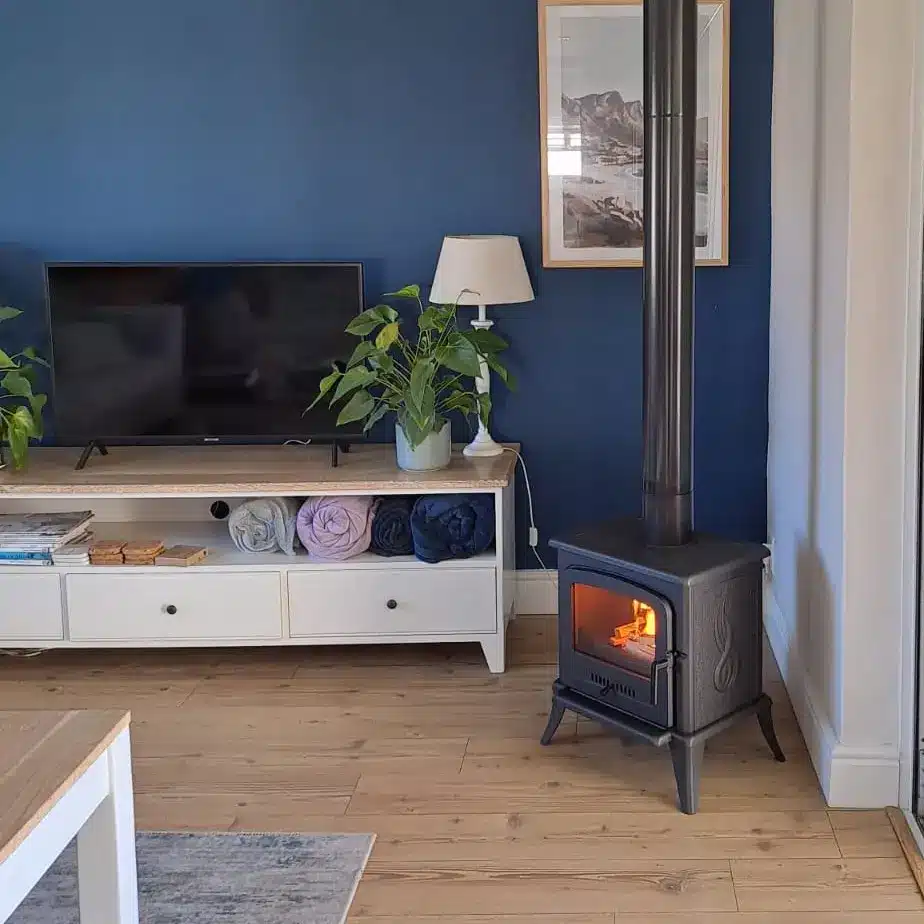
Selecting the correct fireplace size is one of the most important decisions you’ll make when purchasing a fireplace. A fireplace that is too small may struggle to heat your living space effectively, while one that is too large can produce more heat than required, making your room uncomfortable and reducing the enjoyment of your fireplace.
Choosing the right fireplace isn’t simply about selecting the highest kilowatt (kW) rating. It’s about understanding your home’s heating requirements, the quality of the fireplace and the manufacturer’s testing standards.
At Italfire, we specialise exclusively in premium European fireplaces that are engineered for long-term performance, efficiency and reliability. This guide explains how to choose the right fireplace size for your home and why understanding heat output is essential.
Every home is different.
The ideal fireplace depends on a combination of factors rather than a single specification.
These include:
Choosing a fireplace based on these factors helps ensure comfortable, efficient heating throughout the winter months.
Many people assume that a fireplace with a higher advertised heat output will always perform better.
In reality, selecting an oversized fireplace can result in:
Similarly, choosing a fireplace that is too small may mean it cannot comfortably heat the intended area.
The goal is to match the fireplace to your home’s actual heating requirements.
Heat output is measured in kilowatts (kW) and indicates the amount of heat a fireplace can deliver under specific test conditions.
While kW ratings are useful when comparing fireplaces, they should never be viewed in isolation.
One of the most overlooked aspects of buying a fireplace is understanding how those kW ratings are determined.
The amount of wood placed in a fireplace during testing has a direct influence on the heat output achieved.
Simply put, adding more fuel during a test can produce a higher measured heat output, resulting in a larger advertised kW rating.
This is why comparing fireplaces based only on the published kW figure can sometimes be misleading.
Premium European manufacturers generally use conservative testing methods because they prioritise product longevity, consistent performance and engineering integrity over headline figures.
Rather than chasing the highest advertised number, it’s important to compare the complete fireplace.
When choosing a fireplace, consider:
A well-engineered fireplace with conservative specifications will often provide better long-term performance than one with exaggerated marketing claims.
One of the best ways to compare fireplaces is to verify the specifications directly on the manufacturer’s official international website.
This allows you to confirm important information such as:
Comparing verified manufacturer data helps ensure you’re making an informed decision based on accurate information.
The larger the room, the greater the heating requirement.
Consider both the floor area and the total volume of the room rather than floor space alone.
Double-volume spaces and high ceilings require more heat than standard ceiling heights because there is a greater volume of air to warm.
Modern South African homes often feature large open-plan living areas where kitchens, dining rooms and lounges flow together.
In these homes, the fireplace may be expected to heat a much larger area than a single enclosed room.
Well-insulated homes retain heat more effectively.
Factors such as insulated ceilings, quality windows and well-sealed doors all influence heating performance.
Large glass doors and extensive glazing can increase heat loss, particularly during winter evenings.
Homes with significant glazing may require a fireplace with greater heating capacity than similarly sized homes with fewer windows.
Consider how you plan to use your fireplace.
Ask yourself:
Your lifestyle plays an important role in selecting the right fireplace.
At Italfire, we carefully select premium European fireplace manufacturers recognised for exceptional engineering, advanced combustion technology and long-term reliability.
These manufacturers focus on:
This commitment to quality gives homeowners confidence that their fireplace will continue performing beautifully for many years.
Rather than asking:
“What is the biggest fireplace I can buy?”
Ask:
“What is the right fireplace for my home?”
Selecting the correct fireplace size provides:
The right fireplace should complement both your home’s design and its heating requirements.
No. A higher kW rating does not automatically mean a fireplace is better suited to your home. The correct fireplace should match your room size, heating requirements and the manufacturer’s verified specifications.
Heat output can vary depending on testing methods, combustion design and the amount of fuel used during testing. This is why it’s important to compare verified manufacturer specifications rather than relying solely on advertised kW ratings.
Not necessarily. Oversizing a fireplace can result in excessive heat and reduced comfort. The best choice is a fireplace correctly matched to your home’s heating requirements.
Our experienced team can help assess your home’s layout, heating requirements and lifestyle to recommend a premium European fireplace that provides efficient, comfortable heating without relying on inflated performance claims.
Choosing the correct fireplace size doesn’t have to be complicated.
At Italfire, we take the time to understand your home, your heating requirements and your lifestyle before recommending a fireplace. Because we specialise exclusively in premium European brands, you can have confidence that the technical specifications are based on quality engineering and internationally recognised manufacturing standards.
Browse our collection of premium wood-burning, pellet and gas fireplaces, or contact our team for expert advice on selecting the perfect fireplace for your home.